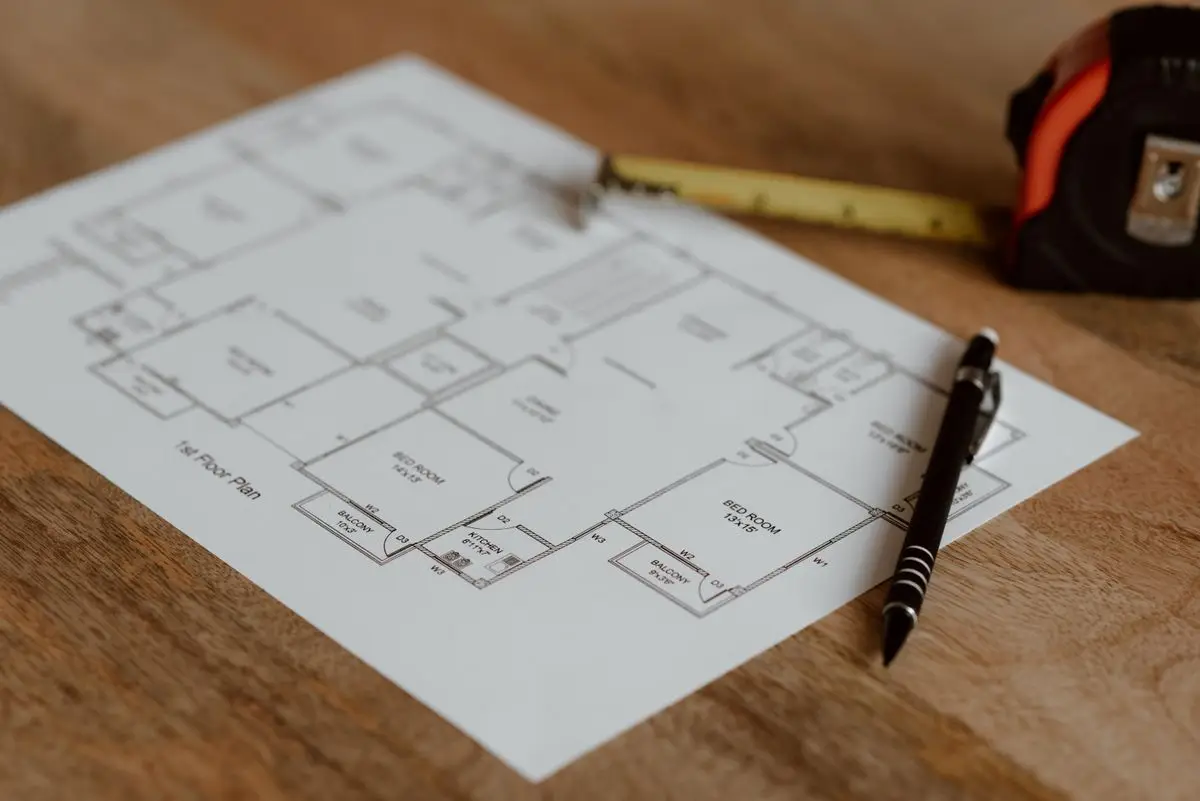
Pay-per-lead for Architecture and engineering firms in Canada and the US
Pay-per-lead for Architecture and engineering firms
Connect with project owners and developers whose plans fit your discipline. We define the project stage, location and scope before arranging the next conversation.
Pay-per-lead for architecture and engineering firms means you pay per accepted lead: an inquiry that passes the qualification and exclusion rules we agree with you in writing before launch. Pricing runs USD $15 to $500 per accepted lead, quoted for your market, with no setup fee. A lead that fails the agreed rules gets a replacement, not a refund.
Eligible issues are replaced under written criteria
Time to first accepted lead
Timing is quoted after the audience, geography, qualification and campaign requirements are approved
No setup fee
Built for
✓ Appropriately licensed architecture and engineering practices seeking projects within their discipline, market and professional scope.
✓ A property owner, developer, business sponsor or project manager seeking professional design or engineering services. Student inquiries and contractor solicitations need separate routing.
✓ Teams ready to follow up on relevant inquiries and record the next steps.
Not for
× Requests for a service or territory outside the campaign scope.
× Buying contact records without an agreed qualification process.
× Campaigns without a receiving team or defined follow-up process.
Pricing
Pricing and what is included.
Indicative planning range. Your quote reflects the audience, territory, qualification and delivery requirements agreed for your campaign.
Fee
USD $15 to $500 indicative per accepted lead; audience, geography and qualification determine the quote; every fee is listed in your written quote before you sign.
Setup fee
None.
Volume
Sized to your market on the call. You set the monthly cap.
Replacements
A lead that fails the agreed qualification or exclusion rules is replaced. The review window and evidence requirements are set in the campaign agreement.
Term and notice
Defined in the signed agreement.
Delivery
Delivered through the agreed handoff with the source and available qualification evidence attached.
Time to first accepted lead
Timing is quoted after the audience, geography, qualification and campaign requirements are approved.
Project geography, discipline and building or infrastructure type fit the practice’s authority and expertise.
Gate 2: Selection role
The contact can explain the project and their role in selecting professional services.
Gate 3: Project stage
The inquiry identifies the project stage, such as feasibility, design, tender or construction support.
Gate 4: Timing and procurement
Expected timing and procurement requirements are recorded without promising feasibility, approvals or a professional opinion.
What never counts
Requests outside the agreed service, customer profile or territory.
Invalid contact details and duplicates under the campaign agreement.
Existing clients, active opportunities and suppressed contacts excluded by your campaign rules.
Requests without the required permission for delivery and follow-up.
What you receive
What a delivered accepted lead looks like.
Agree the handoff with your team before launch. These industry-specific details help your team prepare the next conversation.
Industry
Architecture and engineering firms
Requested conversation
A property owner, developer, business sponsor or project manager seeking professional design or engineering services. Student inquiries and contractor solicitations need separate routing.
Handoff detail 1
Organization, project geography and sponsor role.
Handoff detail 2
The requester’s project brief, intended stage and broad scope.
Handoff detail 3
Source conversation, known procurement requirements and expected timeline.
Handoff detail 4
Practice owner and separate introductory, qualified-project, proposal and appointment-of-professional stages.
How it works. Timing is quoted after the audience, geography, qualification and campaign requirements are approved.
1
You tell us who you want
Service area, customer type, the work you want and any exclusions. We agree the criteria in writing so every accepted lead can be checked against the same standard.
2
We do the work
Vivin runs the approved campaign and checks each response against the written qualification and exclusion criteria before delivery.
3
You get it with proof
Delivered through the agreed handoff with the source and available qualification evidence attached.
Design and engineering inquiries with a defined project context.
A feasibility question, a planned facility expansion and a tender opportunity require different responses. Give your partners a clear view of the project, sponsor and procurement stage before they commit time to business development.
Prepare the next conversation.
The introductory meeting should establish discipline fit and the next professional step. Technical feasibility, professional obligations, conflicts and fee proposals remain with the licensed practice.
Campaign management and follow-up.
Vivin selects and manages the acquisition channels for your market. We agree the audience, qualification and delivery scope with you, then review the inquiries and conversations your team receives.
The receiving business, services and marketing arrangement are reviewed for the states and provinces your campaign covers. Pay-per-close eligibility is not presumed for this sector.
Choose your handoff
Pay-per-lead vs pay-per-appointment.
Factor
Vivin pay-per-lead
Pay-per-appointment
Billing unit
accepted lead
attended appointment
Delivery
Delivered through the agreed handoff with the source and available qualification evidence attached.
Booked through the agreed calendar workflow with the source and available qualification evidence attached.
Quality review
A lead that fails the agreed qualification or exclusion rules is replaced. The review window and evidence requirements are set in the campaign agreement.
Wrong fit, invalid details, duplicates and cancellations are replaced under the campaign agreement. No-shows are not billed. Review and rescheduling rules are agreed before launch.
Best fit
You want relevant inquiries for your team to follow up.
You want the initial conversation arranged for your team.
Questions principals and business-development leads at architecture and engineering firms ask
Questions we get asked.
Can we target one project type?
Yes. A healthcare facility, industrial expansion and residential development need different experience and procurement conversations.
Does an inquiry include a verified project budget?
Only what the requester has stated. The practice validates scope, funding, procurement and feasibility during its own business-development process.
Can appointments include a project manager?
Yes, when that person is the relevant sponsor or can explain the selection process. Record their role rather than assuming final buying authority.
Can marketing intake provide design advice?
No. The handoff captures project context. Professional opinions and technical assessments belong with the licensed practice.
Is a success fee automatically suitable?
No. Architecture and engineering are professional services. Compensation, procurement and marketing arrangements require review for the relevant practice and jurisdiction.
Where can podcasting support this market?
Thoughtful conversations with owners and industry stakeholders can build trust in a small market, supported by useful editorial content and a clear purpose.