· Playbook · 5 min read
How a B2B podcast creates demand
A B2B podcast creates demand on two clocks: the relationships built in each conversation, and the content that reaches everyone else. Here is how a show becomes a GTM channel.

The commercial value of a B2B podcast is usually misunderstood because people treat it like an audience play. They imagine the show works only after thousands of strangers listen and eventually decide to buy.
That can happen, but it is not the first return. A B2B podcast has two motions running at once: relationships and content. Relationships work from the first episode. Content works more slowly because clips, articles, newsletters, and search pages need time to reach the market.
How does a podcast actually generate leads?
A podcast generates leads through two motions: guests and content. The guest motion creates warm buyer conversations now, while the content motion compounds over months.
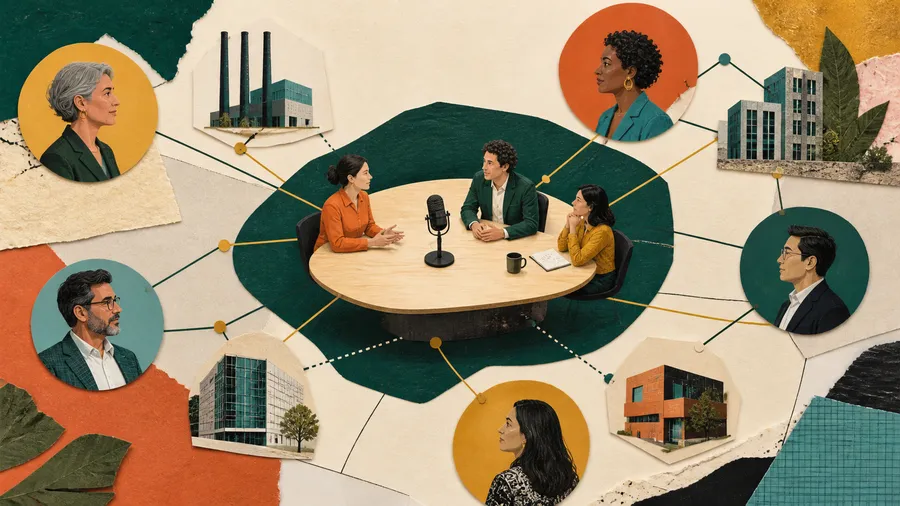
The guest side is simple. You choose people who match your ideal customer profile, invite them to speak on a topic they care about, and spend a real hour with them. That hour is not a pitch. It is a relationship.
The content side is slower but still important. Every conversation becomes proof that your company understands the market. Clips show up in feeds. Articles answer buyer questions. Search pages build depth over time.
That is why the strongest version starts with a pipeline-first strategy, not a vague plan to publish interesting conversations.
Why does a podcast invitation land better than a request for time?
A podcast invitation is strong because it flatters expertise instead of asking for time to be sold to. The buyer gets status, a useful asset, and a thoughtful conversation.
Most first approaches create resistance because the other person knows the purpose is a sale. A podcast invitation changes the frame. You are asking them to share what they know and be seen by the market as someone worth listening to.
That does not make the channel magic. A vague invitation to the wrong person still fails. But a well written invitation to the right person can earn replies that a normal meeting request never would.
The recording also changes the relationship. You are no longer just another vendor in an inbox. You are the person who prepared, listened, and helped turn their perspective into a public asset.
What does the guest-to-lead motion look like in practice?
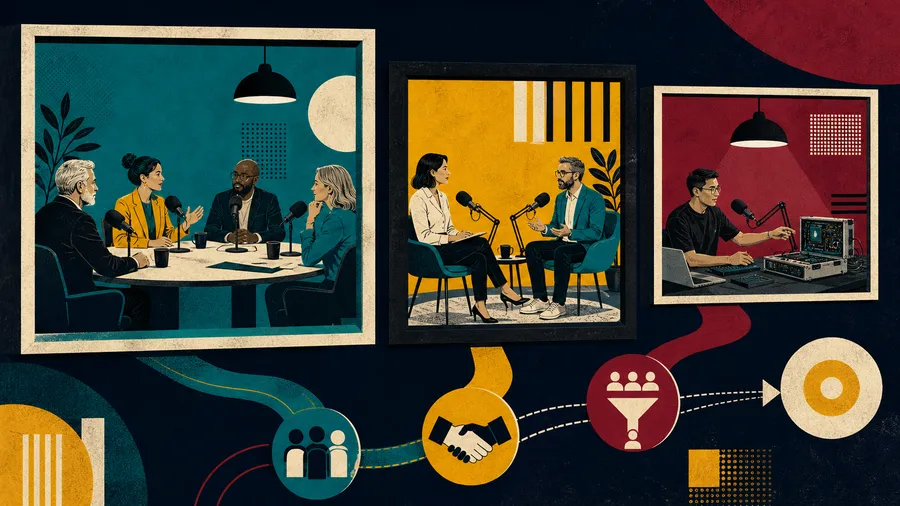
The motion is list, invite, prep, record, deliver value, then follow up with a relevant business observation. Each step has to respect the relationship, or the whole channel starts to feel like a trick.
Start with a target list built from your actual buyers. Not influencers for reach. Not friends who are easy to book. Buyers, partners, and referral sources close to the deals you want.
Then invite them around a topic that makes them look credible. The best angle is specific enough to feel thoughtful and commercially relevant enough to matter later.
After the episode, send polished assets before asking for anything. Give them the link, clips, quotes, and suggested copy. Then, if there is a real fit, open a business conversation from something they said.
That is the core of turning podcast guests into clients: the sale comes from the relationship, not from ambushing the guest after the recording.
When does the audience side start producing?
The audience side usually starts producing later, often after months of consistent publishing. It warms buyers who see the show repeatedly before they ever speak to you.
At first, the audience signal may look quiet. A clip gets a few reactions. An article gets a handful of visits. A reply comes in from someone who has been watching without saying much.
But in B2B, the point is not mass attention. The point is familiarity with the right people. When someone says they have seen the show or noticed the guests you host, the content has already done part of the work.
This is why the audience side should be judged in months, not weeks. Every episode gives the market another reason to understand what you believe, who you know, and what problems you are close to.
How many leads should a B2B podcast produce?
Four episodes a month should produce at least four warm buyer or partner conversations, before counting referrals and inbound. If it does not, the guest strategy is probably too loose.
That is the baseline most founders miss. With a weekly show, you are not waiting for a crowd to appear. You are creating four deliberate conversations with people your business wanted to know anyway.
Compare that with campaign channels. How many impressions does it usually take to create one genuine conversation with a senior buyer? A podcast does not remove the work, but it changes the work into something the other person is more willing to accept.
The upside expands from there. One guest can refer another. One clip can reach a second person at the same company. One article can explain your point of view before anyone speaks to you. That is where the broader ROI case for whether a B2B podcast is worth it starts to make sense.
The system only works when the show is treated as a pipeline channel, not a content habit. Guest selection, production, repurposing, distribution, and follow up have to connect.
The full version is tight. Choose buyers. Book them with a strong invitation. Run a conversation worth remembering. Turn it into content that warms the rest of the market. Follow up with care and commercial relevance.
That is how a podcast creates demand. It is not passive audience building. It is a relationship system with a content system attached.
If you want that mapped to your market and buyer list, book a strategy call and we will show you what the first month should look like.