· Vishnu Prithiv · Playbook · 5 min read
How to turn podcast guests into clients without forcing the sale
A B2B podcast can create pipeline, but only if the guest journey is built with care. Here is the follow-up system that turns a good conversation into a real business opportunity.

The fastest way to ruin a relationship-based podcast is to treat the guest like a lead who accidentally joined a sales call.
The guest said yes because you offered a stage, a thoughtful conversation, and a reason to talk about their work. If the first thing they feel after recording is pressure, you break the trust that made the channel work in the first place.
But that does not mean the show should be passive. A B2B podcast can absolutely turn guests into clients. It just needs a follow-up system built around value, relevance, and timing. For the wider view, start with how a B2B podcast creates demand.
Start with the right guest list
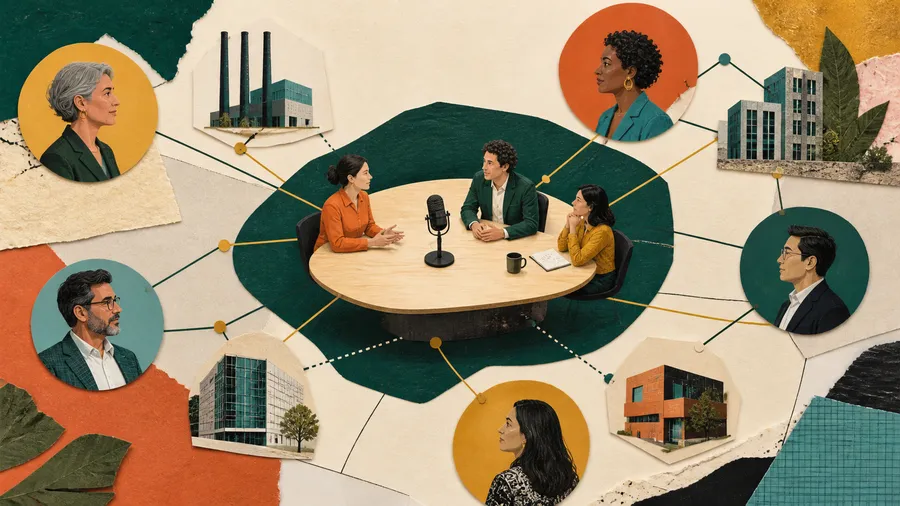
Pipeline starts before the recording. If you invite anyone with an interesting story, you will get interesting content. If you invite people who match your buyer profile, partner profile, or referral profile, you get conversations that can become commercial. This is really the payoff of the decision covered in should a B2B founder start a podcast: the show only generates pipeline when it is built as a commercial channel from the start.
That does not mean every guest needs to be a potential client. A strong guest list usually has three types of people:
- Buyers who fit your exact ideal customer profile
- Partners who sell to, advise, or influence your buyers
- Operators whose stories make your category more credible
The mistake is separating “good guests” from “good business relationships.” The best show sits where those two circles overlap.
Make the interview useful to them
The conversation should not be a disguised discovery call. It should make the guest feel understood.
Ask about the work they are proud of, the decisions they made, the tradeoffs behind those decisions, and the beliefs they hold that most people miss. If they feel like the episode captured something true about them, they will care about the asset when it goes live.
That matters because the follow-up is easier when the episode is not just content for you. It is a public proof asset for them.
Send assets before asking for anything
The first follow-up should give, not ask.
Send the recording link, clips, quote cards, written summary, and any social copy that makes it easy for them to share. Keep it specific. Do not send a vague “thanks for joining” note and then ask for a meeting in the next sentence.
A better first follow-up sounds like:
“Your episode is live. I pulled out the three strongest moments and attached the clips here. The point you made about trust before scale was especially strong, so I made that the lead clip. If you want to post it, I included a short caption you can adapt.”
That note does two jobs. It gives the guest something useful, and it shows that you listened.
Use the commercial bridge
After the asset follow-up, the business conversation should come from a real observation. The bridge is simple:
- Name what you heard in the episode.
- Connect it to a problem your work solves.
- Offer a specific next conversation only if it is relevant.
For example:
“You mentioned that your team is getting more founder-led referrals, but the follow-up is still inconsistent. That is exactly the gap we help founders close after a show starts working. If useful, I can map what a simple guest-to-pipeline follow-up system would look like for your team.”
That is not a hard pitch. It is a continuation of the conversation they already had with you.
Keep a guest relationship timeline
Most guests will not become clients immediately. That is fine. A podcast relationship should keep getting warmer after the episode.
A simple timeline works:
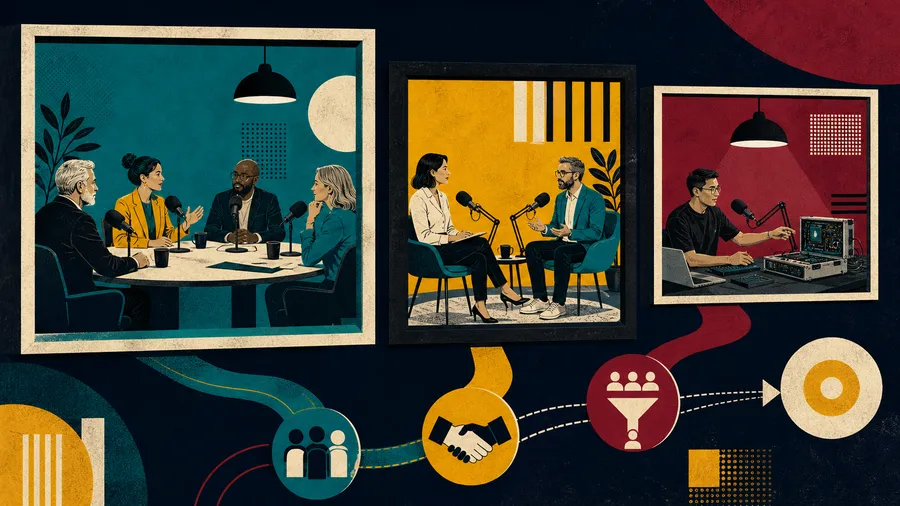
- Day 0: Recording thank-you and next steps
- Launch day: Episode link, clips, quote cards, suggested captions
- Week 1: Share performance notes and tag them in public posts
- Week 2: Send one thoughtful commercial observation if there is a fit
- Month 1: Invite them into a second useful touch, such as a partner intro, roundup, or follow-up piece
This keeps the relationship active without turning every email into a pitch.
Do not hide the business intent
There is a difference between being generous and pretending there is no commercial reason for the show.
You do not need to say “we are trying to sell you.” You can be clear that the show is part of a relationship-led growth strategy. Sophisticated guests understand that businesses build media for a reason. What they object to is bait and switch behavior.
The show should feel like a premium relationship channel, not a trap.
Measure the right things
Downloads are not the first metric. Guest quality is.
Track:
- Qualified guests booked
- Guest acceptance rate
- Episodes published
- Assets delivered per guest
- Guest shares and referrals
- Follow-up conversations created
- Sales opportunities influenced
The first return is not always “guest becomes client.” Sometimes it is “guest introduces you to three better-fit people.” That is still pipeline, and it is a big part of why a B2B podcast is worth it even before the download numbers look impressive.
The short version
If you want podcast guests to become clients, do not rush the pitch. Build the relationship correctly.
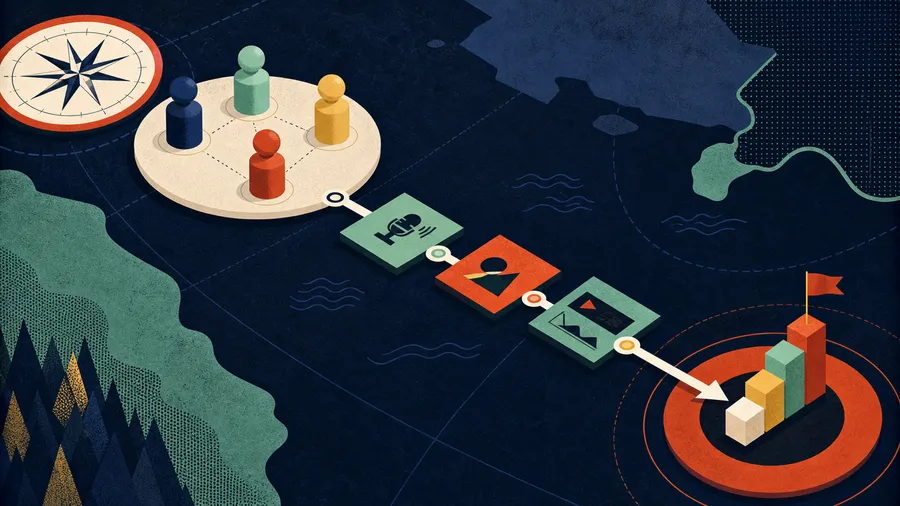
Invite the right people, run a conversation that makes them look good, give them polished assets, follow up with useful observations, and only then open the business conversation where it naturally belongs.
This is the relationship model Vivin uses around The Connector’s Table. The published episodes give each guest a durable page with context, key moments, takeaways, and a complete speaker-labelled transcript. Those assets make the first follow-up useful and specific before any commercial next step is considered.
Start with the B2B podcast pipeline blueprint and the repurposing playbook. To have Vivin manage the system, review the service or book a free strategy call.