· Vishnu Prithiv · Playbook · 5 min read
Video podcast for B2B: is video worth the extra effort?
A video podcast for B2B is worth the extra effort only when video materially improves trust, repurposing, or distribution. Here is when it pays off and when audio is enough.
A video podcast for B2B can be worth the extra effort, but only if you are clear on what the extra effort buys you.
For most founders, video is not valuable because it is trendy. It is valuable because it makes the conversation easier to reuse, easier to trust, and easier to distribute. If those three gains do not matter to your strategy, audio alone is often enough.
The mistake is treating video as mandatory from day one. It is not mandatory. It is a multiplier. That means the base strategy still matters more than the format.
Does a B2B podcast need video to work?
No. A B2B podcast does not need video to work if the real goal is relationships, insight, and follow-up.
An audio-only show can still create warm conversations with the right guests, produce useful written assets, and support a strong follow-up motion. The channel works because of who is in the room and what gets done after the recording, not because there were two cameras pointed at the call. That is the same reason a strong B2B podcast strategy starts with guest selection and business outcomes before it starts with gear.
If your team is already stretched, audio is the safer starting point. It is easier to produce consistently, easier to approve, and less likely to become a bottleneck that kills the publishing cadence.
When is video worth the extra effort?
Video is worth the extra effort when seeing the people in the conversation makes the content more persuasive or more reusable.
There are four common cases where that happens.
First, you need more short-form distribution. Video clips generally travel further on LinkedIn than static quote cards or audiograms because they carry voice, expression, and pacing in one asset.
Second, the founder or guest has a strong on-camera presence. Some people communicate trust better with face, tone, and body language than they do in text.
Third, the conversation includes demos, visuals, or reactions that lose value in audio-only form. If the guest is showing product workflows, diagrams, or creative work, video helps retain the context.
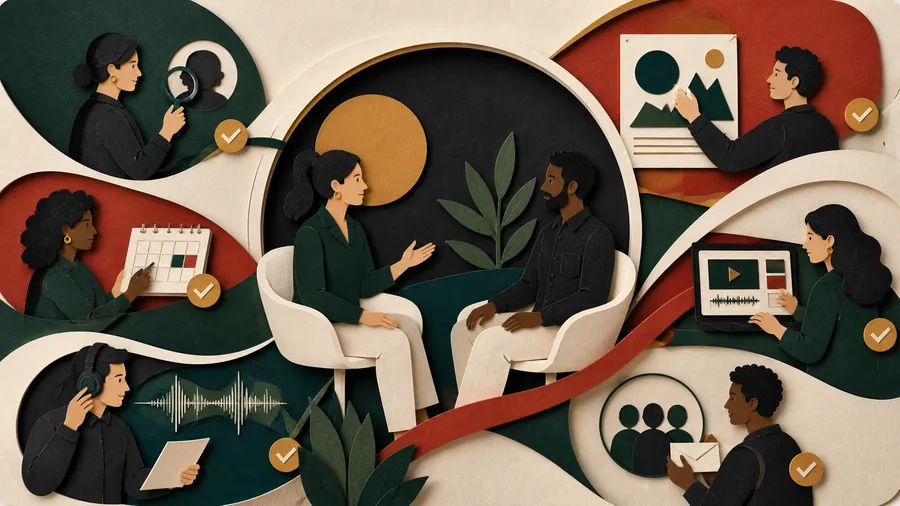
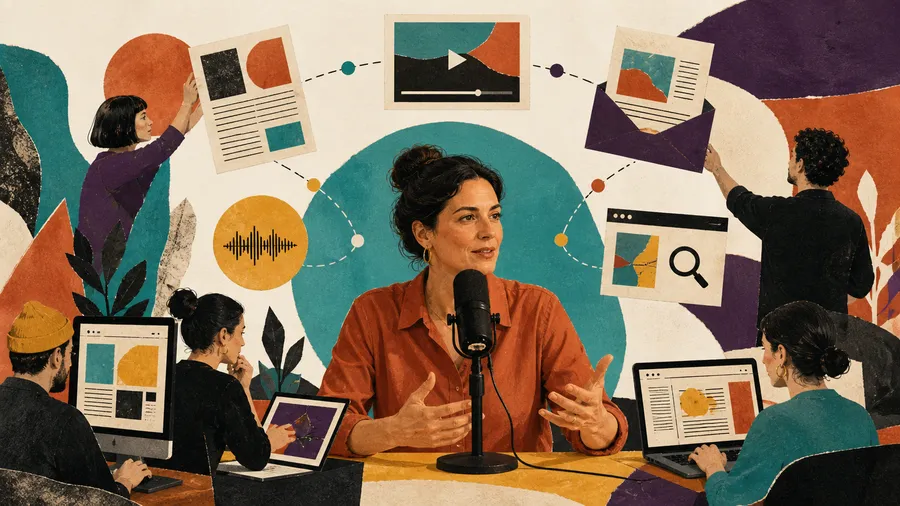
Fourth, you want the episode to fuel more assets from a single recording. A video file can become clips, reels, stills, YouTube uploads, thumbnails, and embedded page assets. That is useful if you already run the kind of repurposing system outlined in what to do with every podcast episode.
What does video actually add for B2B buyers?
Video adds credibility, familiarity, and reuse.
Credibility comes from seeing how someone explains their work in real time. Buyers can judge confidence, clarity, and substance faster when they can see the speaker.
Familiarity comes from repeated exposure. A founder who appears in clips, episode pages, and social cutdowns feels less abstract by the time a sales conversation happens.
Reuse is the practical gain. One good recording can support the full episode, multiple clips, a written article, a newsletter mention, and page-level assets for search. That is why video often makes sense for founder-led marketing even when downloads are not the main KPI. The founder does not need to become a full-time creator, but it helps when the conversation produces more than one format. The broader logic is the same one behind founder-led marketing without becoming a content creator.
When is video not worth it?
Video is not worth it when it slows the system down more than it improves the result.
If video means you publish half as often, reschedule more guests, overthink every recording setup, or spend the founder’s energy on appearance instead of substance, the tradeoff is usually bad.
It is also not worth it if nobody is going to use the extra assets. Plenty of teams record video because they think they should, then never cut clips, never post them, and never upload to YouTube. In that case, they paid the complexity cost without collecting the distribution gain.
The simplest test is this: if you removed the video layer, would the show still create the relationships and business conversations you want? If yes, audio is already enough. Add video only when you have a clear reason.
Should you launch with video or add it later?
Most B2B founders should add video after the show proves its rhythm, not before.
The first milestone is consistency. Can you book the right guests, hold strong conversations, publish on time, and follow up properly? If not, video is an extra moving part on top of an unfinished system.
Once the show has that rhythm, video becomes easier to justify because the workflow already exists. Then you can ask a better question: would video increase reach, trust, or content output enough to matter?
Many teams discover the answer is yes, but only after the core engine is stable. That is the safer path than making video a launch requirement.
What is the best setup for a B2B video podcast?
The best setup is the one your team can run every week without drama.
That usually means remote recording, clean framing, strong audio, simple lighting, and a repeatable clip workflow. Buyers forgive a modest visual setup much faster than they forgive muddy audio or inconsistent publishing.
For most B2B shows, substance beats polish. A useful conversation with clean sound and steady framing will outperform a beautiful setup attached to a weak guest list.
The short answer
Video is worth the extra effort when it helps a B2B podcast create more trust, more reusable assets, or more reach than audio alone. It is not worth it when it becomes a vanity upgrade that slows the machine down.
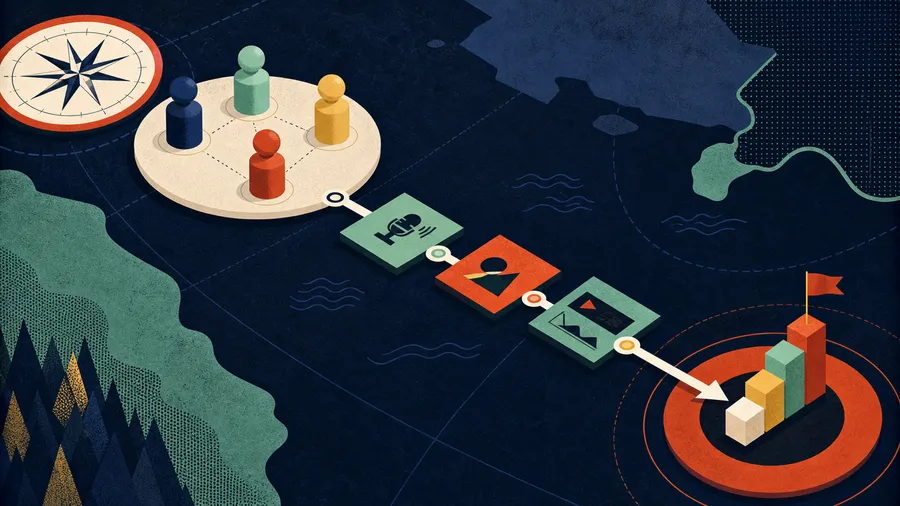
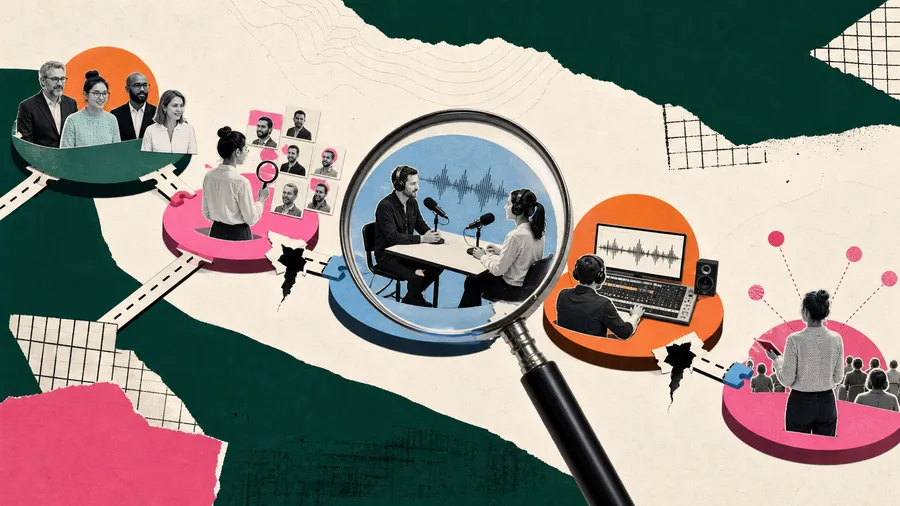
Start with the strategy, not the format. If the guest list is right, the conversations are strong, and the follow-up is disciplined, the podcast can work in either format. Then video becomes a multiplier instead of a distraction. Use the B2B podcast pipeline blueprint to map those decisions before you add production complexity.
If you want a managed podcast-led GTM system that turns one conversation into search assets, clips, and follow-up material without turning your team into a production department, see how Vivin runs the system or book a call.